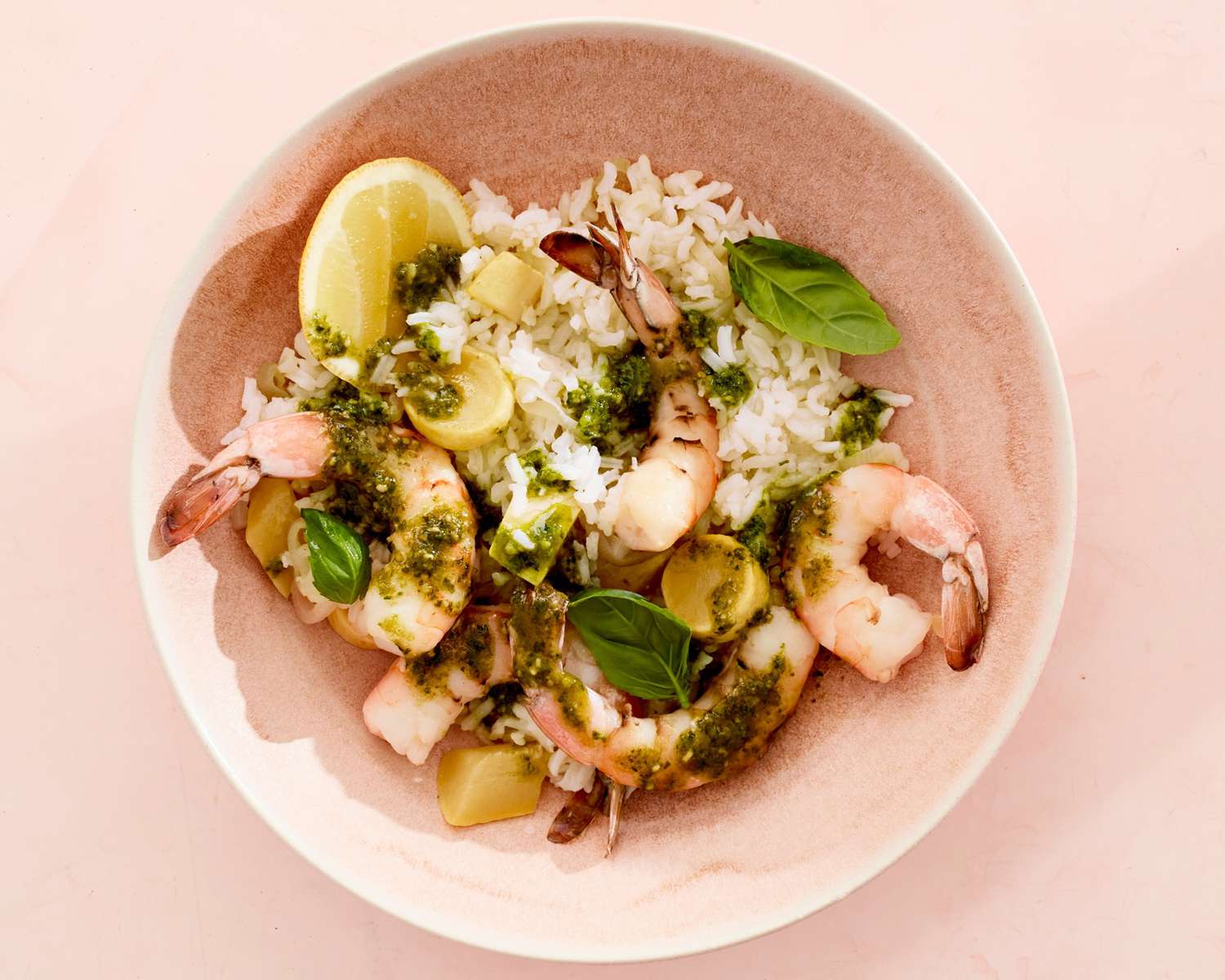
Frozen shrimp is a true culinary marvel – convenient, incredibly versatile, and packed with flavor. It's no wonder bags of these succulent crustaceans are a staple in freezers worldwide. Often flash-frozen right on the boat after being caught, frozen shrimp are frequently at their peak freshness, offering a quality that often surpasses "fresh" shrimp in a supermarket display that may have been previously thawed anyway. However, to unlock their full potential and achieve that perfect, tender bite, knowing how to thaw frozen shrimp properly is absolutely essential.
Improper thawing can lead to rubbery texture, bland taste, and even food safety risks. But don't fret! Whether you're a meticulous meal planner or need dinner on the table in a flash, there are safe and effective methods to bring your frozen shrimp back to life. This comprehensive guide will walk you through the best techniques, what pitfalls to avoid, and provide expert tips for serving up consistently delicious shrimp dishes every time.
Why Mastering Shrimp Thawing is Crucial for Culinary Excellence
Many home cooks might overlook the thawing process, seeing it as a mere preliminary step. Yet, it's a critical stage that directly impacts the final dish. Shrimp are delicate creatures, and harsh or inconsistent thawing can irreversibly damage their cellular structure, leading to a mushy or, more commonly, a tough, rubbery texture. Beyond texture, proper thawing also preserves their subtle, sweet flavor profile, ensuring your culinary efforts aren't wasted.
Moreover, food safety is paramount. Seafood, like all proteins, can be a breeding ground for bacteria if not handled correctly. Thawing methods that expose shrimp to the "danger zone" (temperatures between 40°F and 140°F / 4°C and 60°C) for extended periods significantly increase the risk of foodborne illness. By following recommended safe thawing practices, you safeguard both the quality of your meal and the health of those enjoying it.
The Safest & Most Effective Ways to Thaw Frozen Shrimp
Your choice of thawing method will primarily depend on how much time you have before cooking. Regardless of the technique, you'll know your shrimp is fully thawed when the exterior becomes translucent, and there are no visible ice crystals remaining. Here are the tried-and-true methods for perfect results:
1. The Refrigerator Method: Slow & Steady Wins the Race
This is undeniably the best method to thaw frozen shrimp if you have ample time. The refrigerator method ensures a gradual, gentle defrosting that preserves the shrimp's delicate texture and minimizes any risk of bacterial growth. It requires planning ahead, typically the day before you intend to cook.
- Preparation: Transfer the bag of frozen shrimp from the freezer to a bowl or a shallow dish. This bowl will catch any condensation or liquid that may leak from the packaging, preventing cross-contamination in your refrigerator.
- Placement: Place the covered bowl on the lowest shelf of your refrigerator. This helps maintain a consistently cold temperature and further reduces any risk of drips contaminating other foods.
- Timeframe: Allow the shrimp to thaw overnight, or for at least 8-12 hours, depending on the quantity. A pound of shrimp typically takes about 8 hours to fully defrost.
- Benefits: This method is the safest, as the shrimp remains at a consistently cold temperature below 40°F (4°C). It also yields the best texture, as the slow thaw minimizes cell damage.
Once thawed, the shrimp should be cooked within 24 hours. Always ensure the refrigerator temperature is set to 40°F (4°C) or below for optimal food safety.
2. The Cold Water Method: When Time is of the Essence
If you're short on time but still want a safe and effective thawing process, the cold water method is an excellent choice. It’s significantly faster than refrigerator thawing but still keeps the shrimp out of the danger zone.
- Sealed Packaging is Key: Ensure your frozen shrimp are in a watertight, sealed plastic bag. If the original packaging isn't fully sealed, transfer the shrimp to a heavy-duty zip-top bag and press out as much air as possible. This prevents water from seeping in and making your shrimp waterlogged and flavorless.
- Submerge in Cold Water: Place the sealed bag of shrimp in a large bowl, basin, or even a clean sink. Fill the container with cold tap water, ensuring the shrimp are fully submerged.
- Refresh the Water: It's crucial to change the cold water every 30 minutes. This helps maintain a consistently cold temperature around the shrimp, preventing the surface from warming up and keeping bacteria at bay.
- Timeframe: Depending on the quantity, a pound of shrimp can thaw in approximately 30 minutes to 1 hour using this method. Larger quantities might take up to 2 hours.
- Post-Thaw: Once thawed, remove the shrimp from the bag, pat them dry with paper towels (this is important for better searing and flavor development), and cook immediately.
This method is perfect for those spontaneous weeknight meals where you didn't plan dinner a day ahead.
Common Thawing Mistakes to Avoid at All Costs
While knowing the right way to thaw shrimp is vital, understanding what not to do is equally important. Avoid these common thawing mistakes when thawing shrimp to ensure safety and superior taste:
1. Thawing at Room Temperature
This is arguably the most dangerous thawing mistake. Leaving frozen shrimp on the kitchen counter at room temperature allows the outer layers to warm up quickly, entering the bacterial "danger zone" (40°F to 140°F) long before the center has fully thawed. This creates an ideal environment for harmful bacteria to multiply rapidly, significantly increasing the risk of foodborne illness. Always keep shrimp cold during the thawing process.
2. Using Hot Water to Speed Up Thawing
The temptation to use hot water for a quicker thaw is understandable, but resist it! Hot water will begin to cook the outer layer of the shrimp, leading to an undesirable rubbery texture and loss of flavor. It can also unevenly cook the shrimp, making it difficult to achieve consistent results in your final dish. Stick to cold water for rapid thawing.
3. Refreezing Previously Thawed Shrimp
Once shrimp has been thawed using the refrigerator or cold water method, it should not be refrozen. The thawing and refreezing process causes ice crystals to form and expand within the shrimp's delicate cells, rupturing them. This results in a noticeable degradation of texture, making the shrimp mushy and less appealing when cooked. For optimal quality and safety, cook and consume thawed shrimp promptly.
Pro Tips for Perfectly Thawed Shrimp Every Time
Beyond the core methods, a few extra tips can elevate your shrimp game from good to extraordinary:
- Pat Them Dry: Regardless of the thawing method, always pat your shrimp thoroughly dry with paper towels before cooking. Excess moisture can steam the shrimp instead of searing them, preventing that beautiful golden crust and concentrated flavor. This is especially critical for dishes like shrimp scampi or stir-fries.
- Check for Doneness: Visually inspect your shrimp. They should be uniformly translucent without any opaque, frozen spots. Give them a gentle squeeze; they should feel pliable, not rock-hard or mushy.
- Consider Size: Larger shrimp and prawns will naturally take longer to thaw than smaller ones. Adjust your thawing times accordingly.
- Cook Promptly: Thawed shrimp are highly perishable. For the best flavor and safety, cook them within 24 hours if thawed in the refrigerator, and immediately if thawed in cold water.
- Shell-On vs. Shell-Off: If your shrimp are shell-on, you can thaw them with the shells still attached. Some argue that the shells offer a thin layer of protection during thawing, helping to preserve flavor. You can peel them once thawed, or after cooking for added flavor.
- Pre-Cooked vs. Raw: Most frozen shrimp sold are raw. If you're using pre-cooked frozen shrimp, the thawing methods remain the same, but be extra careful not to overcook them when reheating, as they can quickly become tough.
Incorporating these tips into your routine will ensure that your shrimp dishes are always a resounding success, whether you're whipping up a quick shrimp taco, a vibrant pasta dish, or a sophisticated grilled appetizer.
Conclusion
Thawing frozen shrimp safely and effectively is a fundamental skill for any home cook. By choosing the right method based on your available time – whether it's the gentle overnight thaw in the refrigerator or the quicker cold water bath – you can ensure your shrimp retain their ideal texture, delicious flavor, and remain perfectly safe to eat. Avoid the common pitfalls of room temperature or hot water thawing, and remember to always cook thawed shrimp promptly. Master these simple techniques, and you'll be well on your way to creating consistently perfect, mouth-watering shrimp dishes that impress every time.
