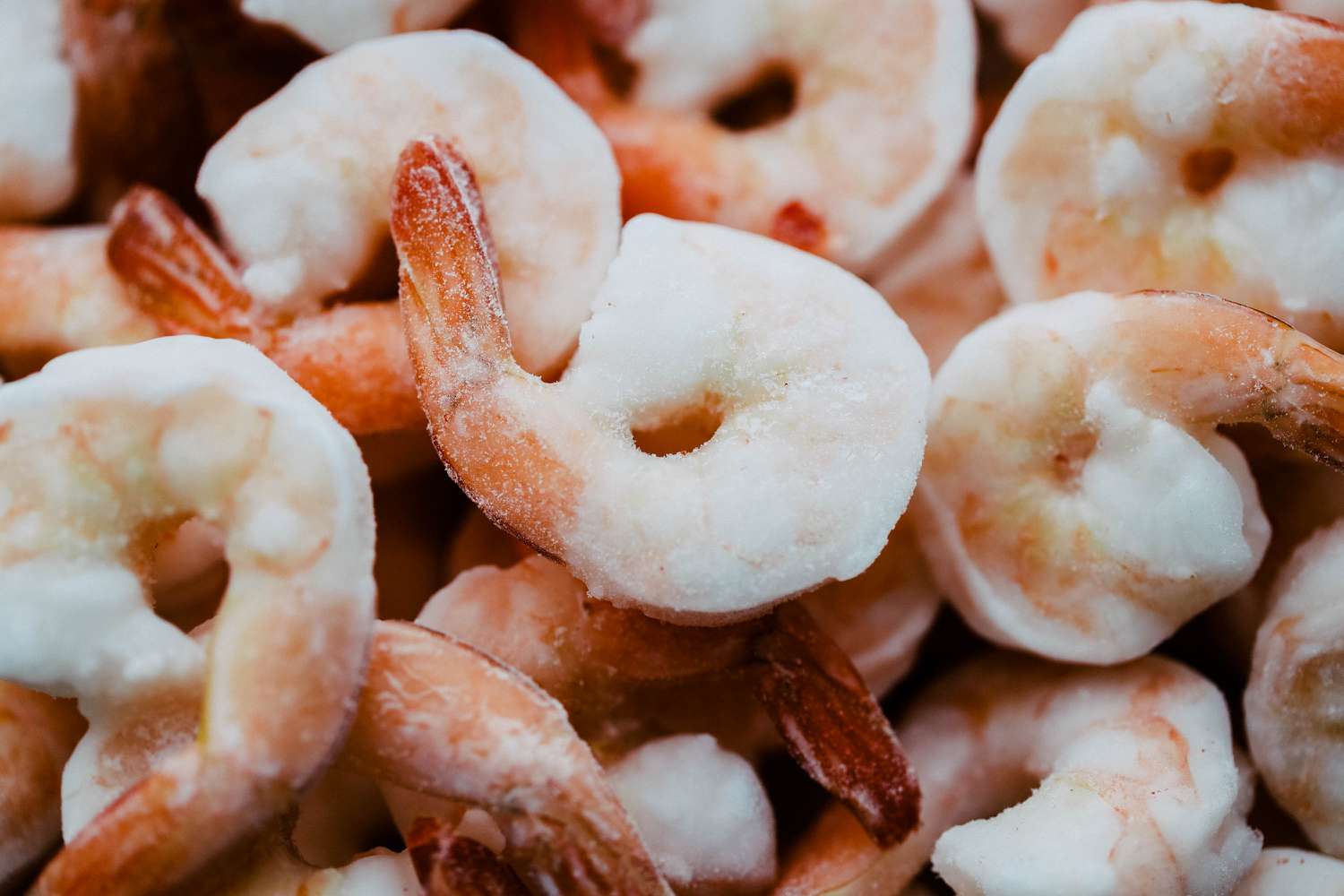
Unlock Perfect Flavor: Avoid These 3 Common Mistakes When Thawing Shrimp
Frozen shrimp is a true culinary marvel. It's convenient, versatile, and often flash-frozen right on the boat, locking in peak freshness far better than "fresh" shrimp that might have spent days thawing in a grocery display. Having a bag stashed in your freezer means a delicious meal is always within reach, whether it's for a lightning-fast stir-fry, a delicate pasta dish, or a vibrant taco filling. However, the secret to truly succulent shrimp lies not just in your cooking technique, but in how to thaw frozen shrimp safely for perfect texture.
While the process of thawing shrimp might seem straightforward, a few common missteps can quickly turn a potential gourmet experience into a rubbery, flavorless, or even unsafe disappointment. Understanding the right techniques and, more importantly, what to avoid, is crucial for preserving that delicate texture and sweet taste. In this comprehensive guide, we'll dive into the critical errors home cooks often make and reveal the simple, effective methods that guarantee your shrimp is always ready for its close-up.
The Gold Standard: How to Thaw Frozen Shrimp Properly
Before we highlight the pitfalls, let's quickly establish the best practices for thawing shrimp. These methods prioritize food safety and preserve the quality that makes frozen shrimp so appealing. Choosing between them often depends on how much time you have. For more detailed insights, you might want to explore Fast or Slow: Pick Your Best Method to Thaw Frozen Shrimp.
1. The Overnight Refrigerator Thaw: The Easiest and Safest Way
If you have the luxury of planning ahead, the refrigerator method is hands down the best way to thaw frozen shrimp. It's gentle, minimizes the risk of bacterial growth, and requires minimal effort.
- How to do it: Simply transfer your frozen shrimp from the freezer to a bowl or a plate in the refrigerator. Cover it to prevent any potential cross-contamination with other foods.
- Why it works: This slow, gradual defrosting allows the shrimp to maintain its cellular structure, resulting in a firm, juicy texture. The consistently cold temperature of the fridge keeps the shrimp out of the "danger zone" (temperatures between 40°F and 140°F where bacteria multiply rapidly), making it incredibly safe.
- Time commitment: Allow for at least 8-12 hours, or ideally, overnight.
2. The Cold Water Quick Thaw: When Time is of the Essence
Life happens, and sometimes you need thawed shrimp faster than an overnight soak allows. The cold water method is an excellent alternative that's still safe and effective, provided you follow a few key steps.
- How to do it: Place the frozen shrimp in a sealed, waterproof plastic bag (a zip-top bag works perfectly). Ensure the bag is airtight to prevent water from seeping in and making your shrimp waterlogged. Submerge the sealed bag in a bowl or basin of cold tap water.
- Why it works: Cold water conducts heat much more efficiently than air, speeding up the thawing process without compromising safety or quality. The continuous cold temperature prevents bacterial growth.
- Important tip: Change the cold water every 20-30 minutes to ensure it remains cold and to accelerate the thawing process. This is crucial for both speed and safety.
- Time commitment: Depending on the quantity, shrimp can thaw in 1-2 hours using this method.
Regardless of the method you choose, you'll know your shrimp is fully thawed when it's flexible, translucent, and shows no signs of remaining ice crystals. Once thawed, pat the shrimp dry with paper towels before cooking to achieve a better sear and prevent steaming.
Avoid These 3 Critical Mistakes When Thawing Shrimp
Now that we've covered the proper methods, let's shine a spotlight on the common errors that can sabotage your shrimp dishes and, more importantly, your health.
Mistake #1: Thawing Shrimp at Room Temperature
This is arguably the most common and dangerous mistake home cooks make. Leaving frozen shrimp out on the counter to thaw might seem convenient, but it's a recipe for disaster.
- The danger: As shrimp thaws at room temperature, its exterior quickly warms up to temperatures within the bacterial "danger zone" (40°F to 140°F), even while the center remains frozen. This creates a perfect breeding ground for harmful bacteria like Salmonella or Listeria. These bacteria can multiply rapidly, potentially leading to foodborne illnesses.
- The consequence: Beyond the health risks, thawing at room temperature can also degrade the shrimp's quality. The slow, uneven thaw can result in a mushy texture and a loss of flavor, as the delicate proteins begin to break down.
- Why it's tempting: Many people mistakenly believe that since shrimp cooks quickly, a little time on the counter won't hurt. However, the internal temperature of the shrimp can remain unsafe long enough for bacteria to become a problem, even if it's cooked afterward.
The takeaway: Never thaw shrimp on the kitchen counter. Always opt for the refrigerator or cold water methods.
Mistake #2: Thawing Shrimp in Hot Water
When you're really pressed for time, the idea of using hot water to speed up the thawing process can be incredibly tempting. Resist the urge!
- The danger: Submerging shrimp in hot water effectively begins to cook the outer layers of the shrimp before the inside has even defrosted.
- The consequence: This "pre-cooking" results in an unappealing, rubbery, and tough texture. The delicate proteins in the shrimp seize up and contract, expelling moisture and leaving you with dry, stringy shrimp that lacks its natural sweetness and snap. The flavor is also significantly diminished.
- Why it's tempting: The logic seems sound – hot water melts ice faster. But with delicate foods like shrimp, speed comes at the expense of quality and texture.
The takeaway: Hot water is for cooking, not for thawing. Stick to cold water for rapid defrosting.
Mistake #3: Refreezing Previously Thawed Shrimp
It happens. You thaw a big bag of shrimp, only to realize you don't need all of it for your recipe. Your first thought might be to pop the unused portion back into the freezer. While it's generally discouraged, there are nuances.
- The primary consequence (quality): The biggest issue with refreezing thawed shrimp is the significant impact on its texture. When shrimp is frozen, ice crystals form, which can damage the cellular structure. Thawing and then refreezing causes more ice crystals to form, further breaking down these cells. Upon the second thaw, the shrimp will likely be noticeably mushy, watery, and less firm. The flavor can also suffer.
- The secondary consequence (safety): While you *can* technically refreeze raw shrimp that has been thawed in the refrigerator (and kept consistently cold below 40°F) or under cold running water (and immediately used), the risk of bacterial growth increases with each thawing cycle if not handled perfectly. If shrimp has been thawed at room temperature or in warm water, it should never be refrozen due to potential bacterial proliferation.
The takeaway: Plan your portions carefully. Once thawed, shrimp should ideally be cooked and consumed promptly (within 1-2 days if thawed in the fridge). If you must refreeze, cook the shrimp first, then refreeze the cooked product. This maintains better quality and safety.
Beyond Thawing: Maximizing Your Shrimp Experience
Avoiding these three common mistakes is a monumental step towards culinary success with shrimp. But there are a few extra tips to elevate your shrimp dishes:
- Pat dry: Always pat your thawed shrimp thoroughly dry with paper towels before cooking. Excess moisture will steam the shrimp instead of allowing it to sear, preventing that delicious browning and sweet crust.
- Don't overcook: Shrimp cooks very quickly. Whether you're sautéing, grilling, or boiling, watch them closely. They're done when they turn opaque and curl into a "C" shape. Overcooked shrimp will be tough and rubbery, even if perfectly thawed.
- Cook immediately: Once thawed, shrimp is a perishable item. Plan to cook it within 24 hours if thawed in the refrigerator, or immediately if thawed using the cold water method.
Conclusion
Frozen shrimp offers an incredible combination of convenience, versatility, and deliciousness, making it a staple in kitchens worldwide. However, its delicate nature demands respect, especially when it comes to thawing. By steering clear of the three common pitfalls – thawing at room temperature, using hot water, and refreezing thawed raw shrimp – you ensure both the safety and the exceptional quality of your seafood.
Embrace the gentle, safe methods of refrigerator thawing or the efficient cold water technique. These simple practices preserve the shrimp's natural sweetness, maintain its succulent texture, and guarantee a delightful dining experience every time. So next time you reach for that bag of frozen shrimp, remember these tips and prepare to enjoy perfectly tender, flavorful results.
