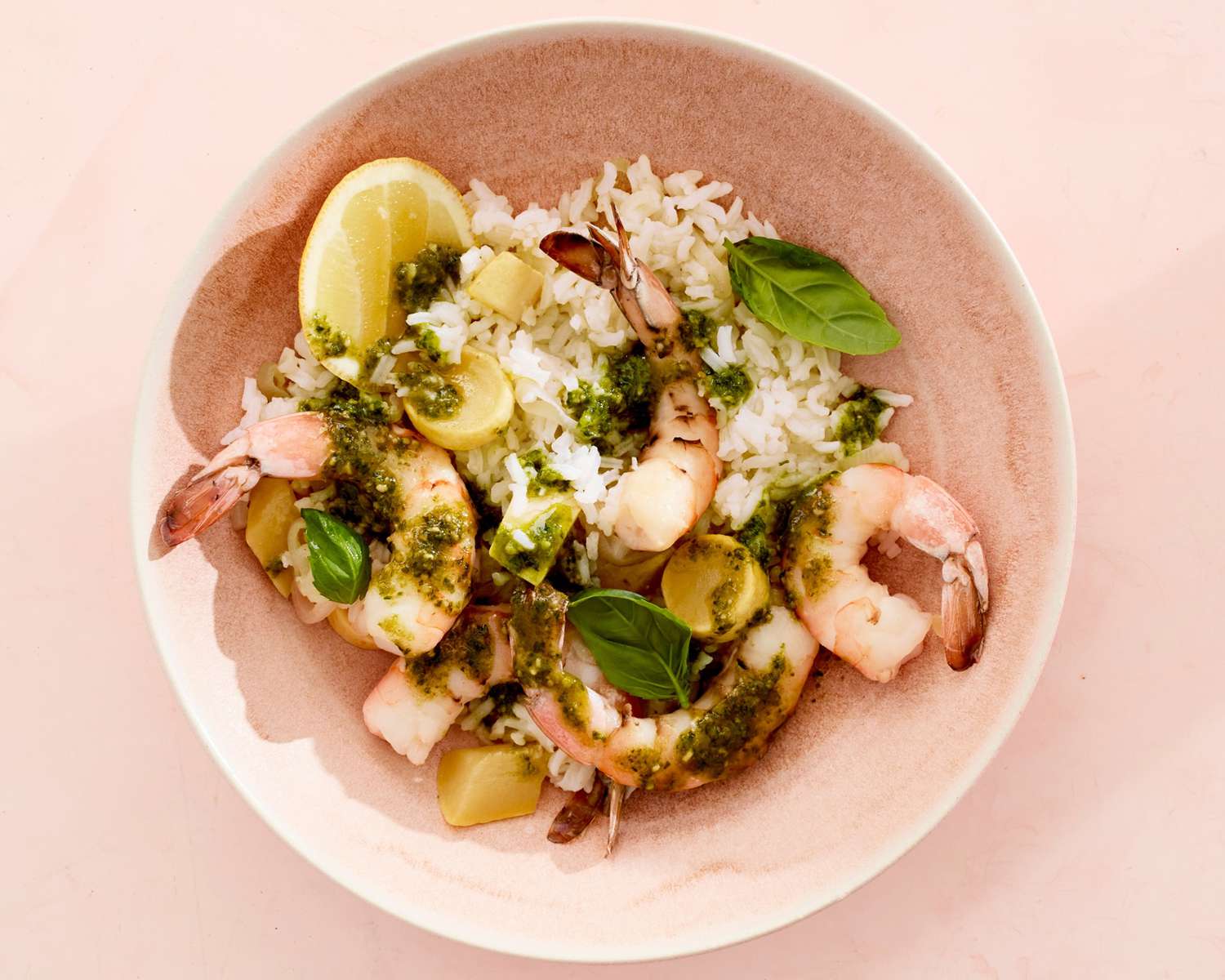
Fast or Slow: Pick Your Best Method to Thaw Frozen Shrimp for Culinary Perfection
Frozen shrimp is a true culinary MVP. It’s convenient, versatile, and often flash-frozen right on the boat to lock in peak freshness, making it a staple in freezers worldwide. Whether you’re whipping up a quick weeknight stir-fry, a decadent pasta dish, or a vibrant ceviche, having perfectly thawed shrimp is the first step to a delicious meal. But
how to thaw frozen shrimp properly is a question that often arises. The good news? It’s easier than you think, and with a few simple techniques, you can ensure your shrimp maintains its ideal texture and flavor without compromising safety.
Unlike some other proteins that suffer in the freezer, shrimp actually thrives there. The "fresh" shrimp you see at the seafood counter might have been previously frozen anyway, so opting for frozen at home often means better quality and value. The only hurdle is getting those icy crustaceans ready for the pan. Your chosen thawing method will largely depend on one crucial factor: how much time you have. Let's explore the best ways to prepare your frozen shrimp for culinary greatness, from the leisurely overnight approach to the quick-fix cold water bath.
Why Proper Thawing Matters for Perfectly Textured Shrimp
Before we dive into the methods, it’s essential to understand *why* proper thawing is so important. Haphazard thawing can lead to a host of undesirable outcomes:
*
Compromised Texture: Thawing too quickly or at incorrect temperatures can damage the delicate protein structure of the shrimp, resulting in a rubbery, mushy, or stringy consistency. The goal is that satisfying snap!
*
Lost Flavor: Improper thawing can cause the shrimp to lose some of its natural juices, taking away from its inherent sweetness and oceanic flavor.
*
Food Safety Risks: The most critical reason. Thawing at room temperature, for instance, allows bacteria to multiply rapidly, increasing the risk of foodborne illness. Keeping shrimp cold throughout the thawing process is paramount for safety.
By following recommended thawing practices, you ensure your shrimp is not just safe to eat, but also boasts that desirable succulent texture and rich flavor that elevates any dish.
The Best Methods to Thaw Frozen Shrimp: Speed vs. Convenience
When it comes to thawing frozen shrimp, you have a few excellent options, each suited to different timelines and levels of planning. Remember, regardless of the method, the key is to keep the shrimp cold and handle it safely. You'll know your shrimp is fully thawed when it looks translucent and there are no remaining frozen parts.
1. The "Set It and Forget It" Method: Refrigerator Thawing (Slow & Safe)
If you’re a planner (or have at least 12-24 hours before cooking), the refrigerator method is hands down the best way to thaw frozen shrimp. It’s the safest, most gentle, and arguably the most effective for preserving the shrimp’s delicate texture and flavor.
*
How to do it: Simply transfer your frozen shrimp from the freezer to a bowl or a plate in the refrigerator. Ensure the shrimp is in a sealed bag or covered to prevent any potential drips from cross-contaminating other foods.
*
Timing: This method typically takes 12-24 hours, depending on the quantity of shrimp. Larger blocks of frozen shrimp will naturally take longer.
*
Why it’s great: The gradual defrosting in a consistently cold environment minimizes cellular damage and significantly reduces the risk of bacterial growth. This leads to the best possible texture and flavor.
*
Pro Tip: Once thawed, shrimp can safely remain in the refrigerator for an additional 1-2 days before cooking. This makes it ideal for meal prep! For more detailed guidance on safe handling, explore this related article:
How to Thaw Frozen Shrimp Safely for Perfect Texture.
2. The "Dinner's Almost Ready" Method: Cold Water Thawing (Medium Speed)
Running short on time but still need perfectly thawed shrimp? The cold water method is your go-to. It’s significantly faster than refrigerator thawing but still maintains food safety.
*
How to do it:
1. Place the frozen shrimp in a sealed, leak-proof plastic bag (the original packaging is often sufficient if it's vacuum-sealed, otherwise transfer to a Ziploc-style bag). This is crucial to prevent the shrimp from absorbing water and becoming waterlogged, which can dilute flavor and affect texture.
2. Submerge the sealed bag in a bowl or basin of cold tap water. Ensure the shrimp is fully covered.
3. Change the cold water every 30 minutes. This helps maintain a consistently cold temperature, crucial for inhibiting bacterial growth and speeding up the thawing process through convection.
*
Timing: Depending on the quantity, shrimp should be fully thawed and ready to use within 30 minutes to 2 hours.
*
Why it’s great: It’s a fast yet safe method that doesn’t compromise the quality of your shrimp. The constant circulation of cold water efficiently transfers heat, thawing the shrimp without warming it to unsafe temperatures.
*
Pro Tip: Once thawed using the cold water method, shrimp should be cooked immediately. Do not refreeze raw shrimp that has been thawed this way.
3. Thawing Under Running Cold Water (The "Quickest Safe Thaw" – With Care)
While not explicitly detailed in all guides as a standalone method separate from the bowl-and-bag, a slight variation of the cold water thaw can be even quicker if you're truly pressed for time. This method uses continuous cold running water.
*
How to do it: Place the sealed bag of frozen shrimp in a colander under a trickle of cold running tap water.
*
Timing: This can thaw shrimp in as little as 10-20 minutes for a pound or less.
*
Why it’s great: The continuous flow of water provides an even faster transfer of heat than stagnant water, reducing thawing time.
*
Important Note: While fast, this method uses more water and requires you to be present to monitor the flow and ensure the water stays consistently cold. Make sure the bag is truly sealed to prevent waterlogging. Like the bowl method, shrimp thawed this way should be cooked immediately.
Critical Thawing Mistakes to Avoid
Just as important as knowing the right way to thaw is knowing what *not* to do. Avoiding these common pitfalls will safeguard your health and your shrimp's quality.
*
Avoid Thawing at Room Temperature: This is perhaps the most dangerous mistake. The "danger zone" for bacterial growth is between 40°F (4°C) and 140°F (60°C). Leaving shrimp on the counter for more than two hours allows bacteria to multiply rapidly, making the shrimp unsafe to eat.
*
Avoid Thawing in Hot Water: While tempting for its speed, using hot water can partially cook the outer layers of the shrimp, giving it a rubbery texture while the inside remains frozen. It drastically diminishes quality and can create an unevenly cooked product.
*
Avoid Refreezing Previously Thawed Shrimp: Once shrimp has been thawed, it should be cooked and consumed promptly. Refreezing raw shrimp, especially if thawed quickly, can severely degrade its texture due to the formation of new, larger ice crystals that damage cell walls. Only refreeze cooked shrimp dishes, and only if they were handled safely.
For a deeper dive into these and other crucial errors, be sure to read:
Avoid These 3 Common Mistakes When Thawing Shrimp.
Expert Tips for Perfectly Thawed Shrimp Every Time
Beyond the thawing methods themselves, a few extra tips can ensure your shrimp dishes are always a success:
*
Pat Them Dry: Regardless of your thawing method, once the shrimp are thawed, it’s crucial to pat them thoroughly dry with paper towels. Excess moisture on the surface prevents proper searing or browning, leading to steamed instead of perfectly cooked shrimp.
*
Check for Doneness: You’ll know shrimp is fully thawed when it's flexible, translucent, and there are no icy spots. If using the cold water method, gently squeeze a few shrimp to ensure no hard, frozen centers remain.
*
Cook Promptly: For optimal flavor and texture, cook your thawed shrimp as soon as possible, especially if thawed in cold water.
*
Consider Shell-On vs. Peeled/Deveined: While most thawing instructions apply universally, shell-on shrimp might take slightly longer to thaw due to the added insulation. The choice largely depends on your recipe and preference.
Conclusion: Choose Your Thaw, Master Your Meal
Thawing frozen shrimp doesn’t have to be a culinary mystery. By understanding the different methods – the slow and safe refrigerator thaw, or the quicker cold water bath – you can confidently prepare this versatile ingredient for any meal. Prioritizing food safety, being mindful of temperature, and avoiding common mistakes will guarantee perfectly textured, flavorful shrimp every time. So next time you reach for that bag of frozen shrimp, you'll know exactly
how to thaw frozen shrimp like a pro, ensuring your dish is nothing short of delicious.